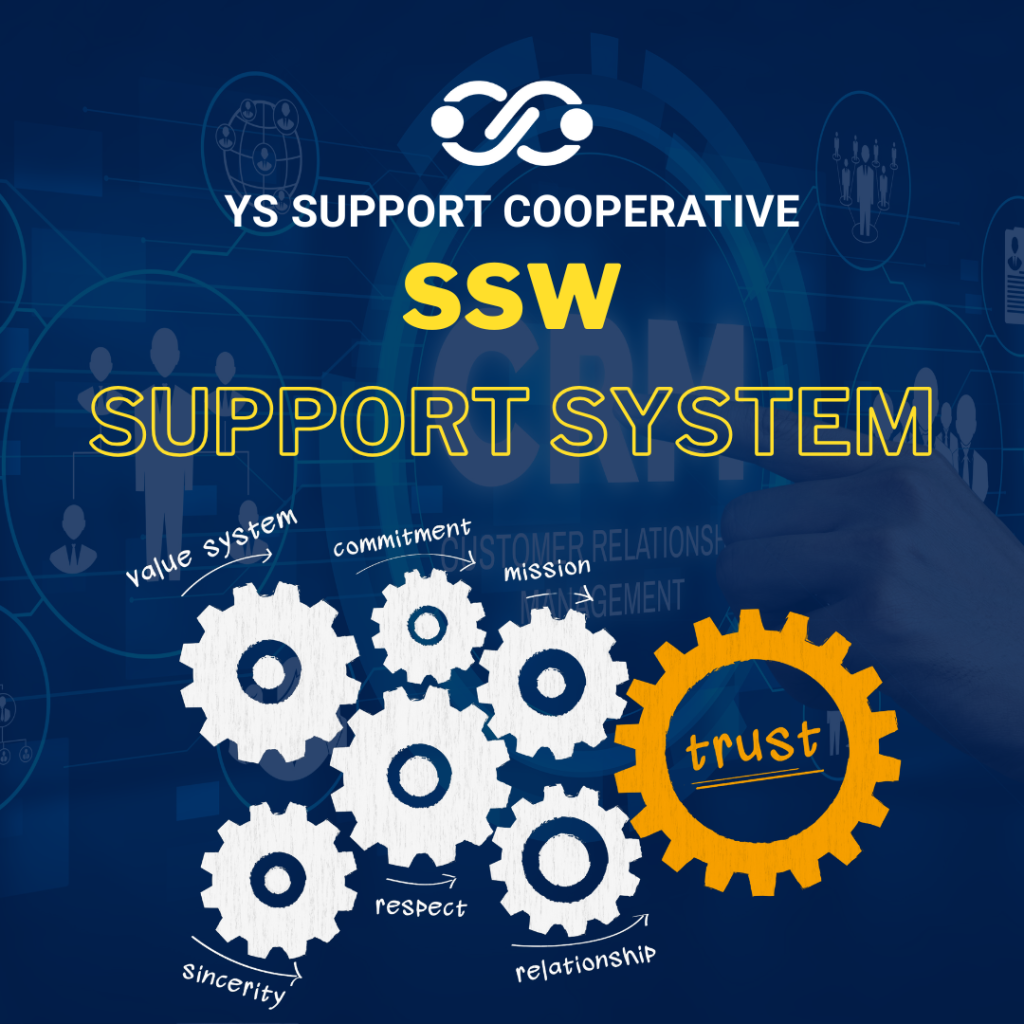



Japan offers two significant pathways for foreign talent: the Technical Intern Training Program (TITP) and the Specified Skilled Worker (SSW) program. While both aim to integrate international workers into the Japanese economy, their objectives, requirements, and long-term implications differ significantly. Understanding these distinctions is crucial for both individuals aspiring to work in Japan and companies looking to secure foreign talent.
At YS Support Cooperative, we guide you through these options to help you make the most informed decision.
Understanding the Technical Intern Training Program (TITP)
The TITP is primarily designed for skill transfer and human resource development. Its core objective is to transfer practical skills, techniques, and knowledge from Japan to individuals from developing countries, enabling them to contribute to the economic development of their home nations upon return.
Key Features:
- Purpose: Skill transfer, international cooperation.
- Duration: Typically 1 to 3 years (max 5 years with extension). Temporary.
- Skill Level: Focuses on on-the-job training (OJT) for skill acquisition. Interns may start with limited prior experience in Japan.
- Industries: Covers a wide range of industries (e.g., agriculture, construction, food processing, manufacturing, nursing care).
- Family: Generally, technical interns are not permitted to bring family members to Japan.
- Transition: Successful TITP completers may be eligible to transition to the SSW program under certain conditions.
Who is TITP for?
- Individuals: Those seeking hands-on skill development, cultural immersion, and international work experience for a defined period.
- Companies: Organizations looking to contribute to global human resource development, foster international relations, and gain assistance with operational tasks through a structured training program.
Understanding the Specified Skilled Worker (SSW) Program
The SSW program was established to address severe and chronic labor shortages in specific industries within Japan. It allows foreign nationals with certain skills and Japanese language proficiency to work directly in these sectors for a longer term, with potential pathways to more stable residency.
Key Features:
- Purpose: Address severe labor shortages in specific Japanese industries.
- Duration: Type 1: Up to 5 years. Type 2: Indefinite (renewable), offering a path to permanent residency and allowing family reunification (limited industries).
- Skill Level: Requires candidates to possess a specific level of skill and Japanese language proficiency, usually verified through examinations.
- Industries: Limited to 12 specific industries facing labor shortages (e.g., nursing care, building cleaning, construction, agriculture, food and beverage manufacturing, hospitality).
- Family: SSW Type 1 holders cannot bring family. SSW Type 2 holders can bring their spouse and children.
- Transition: Possible for eligible TITP completers or directly for individuals passing required exams.
Who is SSW for?
- Individuals: Those seeking stable, long-term employment in specific skilled fields in Japan, with potential pathways to extended stay and residency.
- Companies: Businesses in designated industries facing immediate labor shortages, seeking skilled, ready-to-work individuals for direct, long-term employment.
TITP vs. SSW: A Direct Comparison
Feature
Technical Intern Training Program (TITP)
Specified Skilled Worker (SSW) Program
Primary Purpose
Skill transfer & human resource development for home countries.
Address severe labor shortages in specific Japanese industries.
Duration of Stay
1 to 3 years (max 5 years with extension). Temporary.
Type 1: Up to 5 years. Type 2: Indefinite (renewable), pathway to PR.
Skill Requirement
Focus on learning/acquiring skills (OJT).
Must possess verified specific skills (via test/experience).
Language Requirement
Basic Japanese language learning is part of training.
Requires tested Japanese language proficiency (N4/N3 usually).
Industries Covered
Broad range (approx. 80 types of work).
Limited to 12 specific, designated industries.
Family Accompanying
Generally not permitted.
Type 1: No. Type 2: Yes (spouse & children).
Post-Program Goal
Return home to utilize skills for national development.
Long-term employment & integration into Japanese society.
Which Program is Right for Your Goals?
Making the right choice depends on your specific objectives as an individual or a company.
For Individuals:
- Choose TITP if:
- Your primary goal is to acquire new practical skills and knowledge through hands-on training.
- You seek a cultural immersion experience in Japan for a defined, temporary period.
- You intend to return to your home country with enhanced skills for career advancement.
- You have limited prior work experience in Japan in your desired field.
- Choose SSW if:
- You already possess specific skills and experience in one of the 12 designated industries.
- Your goal is stable, long-term employment in Japan, with potential for extended stays or even permanent residency.
- You are prepared to pass Japanese language and skills proficiency tests.
- (For SSW Type 2) You wish to bring your family to Japan.
For Companies (Host Organizations):
- Choose TITP if:
- You wish to contribute to international human resource development and global society.
- You are prepared to provide structured on-the-job training (OJT) to develop skills.
- You seek dedicated individuals who will learn and assist with various operational tasks, fostering international understanding within your workplace.
- Choose SSW if:
- You operate in one of the 12 specific industries facing severe labor shortages and need immediate skilled workers.
- You require individuals who already possess certified skills and Japanese language ability upon arrival.
- You are looking for a stable, longer-term workforce solution to directly fill critical roles within your operations.
The YS Support Cooperative Advantage
Navigating the complexities of both the TITP and SSW programs requires expert knowledge and reliable support. At YS Support Cooperative, we offer comprehensive guidance tailored to your unique situation. We ensure ethical practices, streamline application processes, and provide continuous support for both individuals and companies, helping you make the optimal choice and achieve successful outcomes in Japan.
Still unsure which program is best for you?
Our experts at YS Support Cooperative are here to provide personalized advice and detailed guidance based on your specific needs and aspirations.